Entrepreneurship · Mentorship · Education · Career Horizons Project
Start small, start now: what I told 320 students in Kpando about entrepreneurship
On 23 October 2026 I joined the Career Horizons Project panel on leadership and entrepreneurship at Gabi M.A Junior High School in Kpando. I shared what entrepreneurship really means, how to start with what you have, and three setbacks that shaped me.
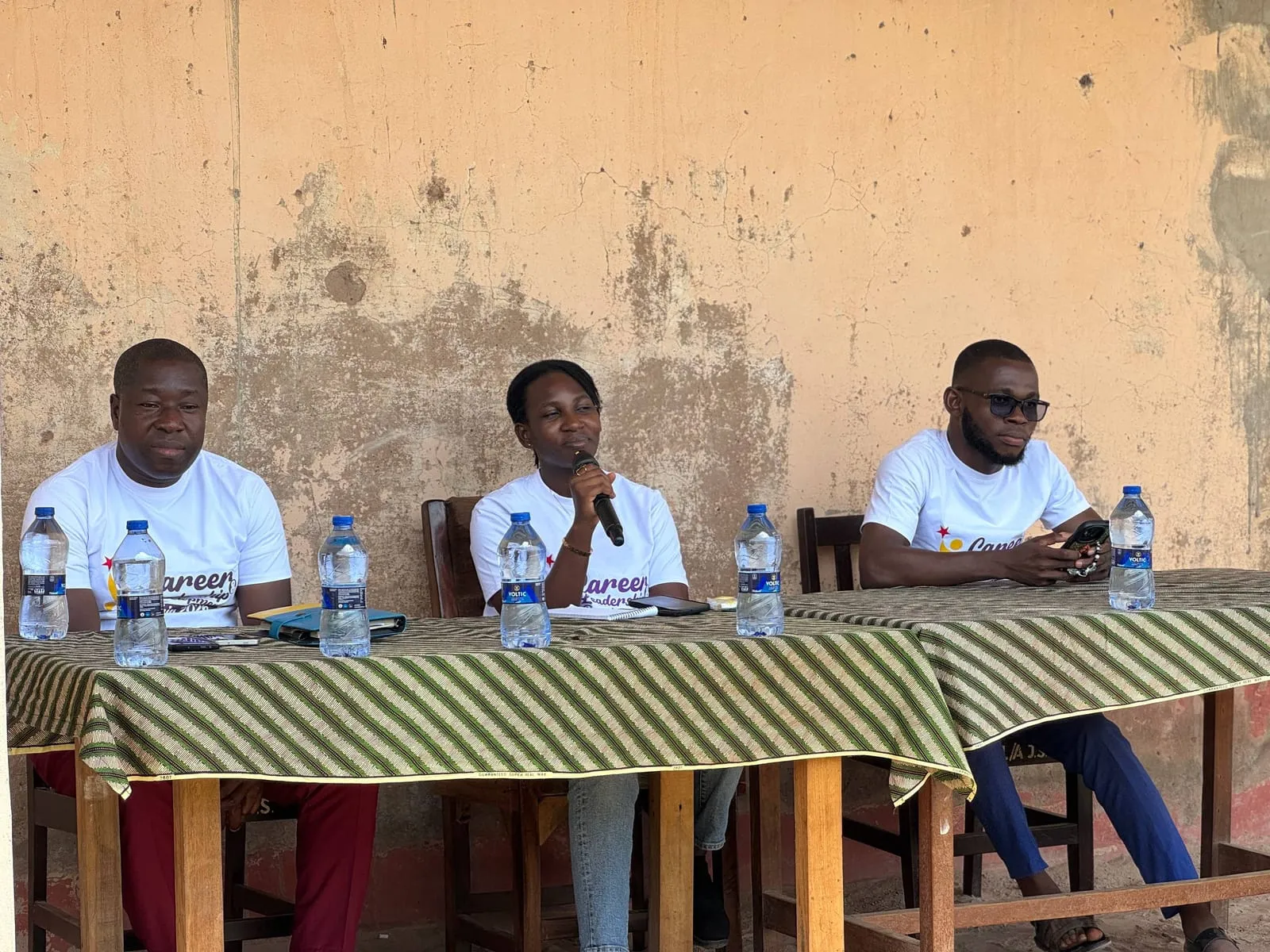
On Friday, 23 October 2026, I was a panellist at the Career Horizons Project leadership and entrepreneurship panel discussion, held at Gabi M.A Junior High School in Kpando, in the Volta Region. This year’s theme was the Career Leadership Development Fair 2026. I volunteer with the Career Horizons Project and was part of the planning committee, so it was special to see the day come together.
About 320 students took part. The panel was moderated by two students, which I loved: it was their conversation, not ours. I shared the panel with Miss Jasper Fafali Kumah and Mr Mark, who spoke on leadership, teamwork, social impact, school and programme selection, and community service. My questions were about entrepreneurship.
What entrepreneurship really means
Entrepreneurship is not just “having a business” or being your own boss. It is seeing a problem and taking responsibility for solving it in a way people will value, and pay for. I described it as three habits:
- Noticing: seeing what is broken or frustrating around you.
- Creating: building a solution, even a small one.
- Sustaining: finding a way for it to keep running, which usually means people pay for the value.
suku360 started this way. Schools were struggling to track fees, attendance and results on paper. We did not start with money. We started with a problem we saw every day.
Start with what you have
Students asked how to find problems and build solutions without money. My answer was three steps:
- Listen to complaints. Every complaint is a business idea in disguise: “The queue is too long.” “I can’t find past questions.”
- Start with what you have. A phone, a skill and your network are enough. A WhatsApp group or a Google Form can be your first version.
- Test small, then improve. Solve it for five people first, ask if it helped, then improve it.
On earning more than one income as a student, I started with a caution: your studies come first. Then learn one valuable skill well, sell services before products, and turn that one skill into several streams.
Three setbacks that shaped me
When the moderators asked about setbacks, I chose to be honest.
I damaged three phones in one month. It sounds small, but it changed how I go about my business.
In 2020, I took a loan to invest in my business without a proper plan. It broke me financially for three years, because I had to pay it back from my salary. I learnt from it, and I now plan before I invest.
My WASSCE results included a D7. I knew that grade was not my true definition. It pushed me towards College of Education, and I completed college with a First Class.
A failed idea does not make you a failure, and a grade does not define your future. Ask what each setback is teaching you, keep your “why” bigger than your fear, and move one small step at a time.
Teaching and building
The last question was how I manage being a teacher and an entrepreneur. My teaching hours belong to my students. Business work happens in fixed blocks of time, I rely on my co-founders and on tools that automate work, and I rest, because burnout helps nobody. The two also feed each other: teaching keeps me close to real problems in schools, which is partly where suku360 came from.
My advice to the students
- Learn one skill seriously, even 30 minutes a day.
- Write down three problems you notice around you, and think about how to solve one.
- Build your name. Your reputation is your first capital.
- Get involved in clubs and your community. Leadership is practised, not given.
- Use technology wisely. Use AI and the internet to learn and create, not just to scroll.
Start small, start now, and stay consistent.
Thank you to my colleagues on the Career Horizons Project planning committee, the student moderators, my fellow panellists, and the students of Gabi M.A JHS for their questions and energy.